
-
ISO Introduction
-
- Articles coming soon
-
- Articles coming soon
-
Sector Case Studies
-
- Articles coming soon
-
- Articles coming soon
-
- Articles coming soon
-
- Articles coming soon
-
- Articles coming soon
-
Resources
-
- Articles coming soon
-
- Articles coming soon
-
Replacing an Overbuilt, Ineffective Management System with a Strategic, Fit‑for‑Purpose Framework
Challenge / Problem
The existing management system bore no resemblance to how the business actually operated. Instead of helping, it hindered.
Although certified to ISO 9001, ISO 14001 and ISO 45001, the system was excessively complicated, absorbing valuable resources and draining morale across both sites. The directors were clear:
- “The system must help us run the business, not get in the way.”
Client Overview
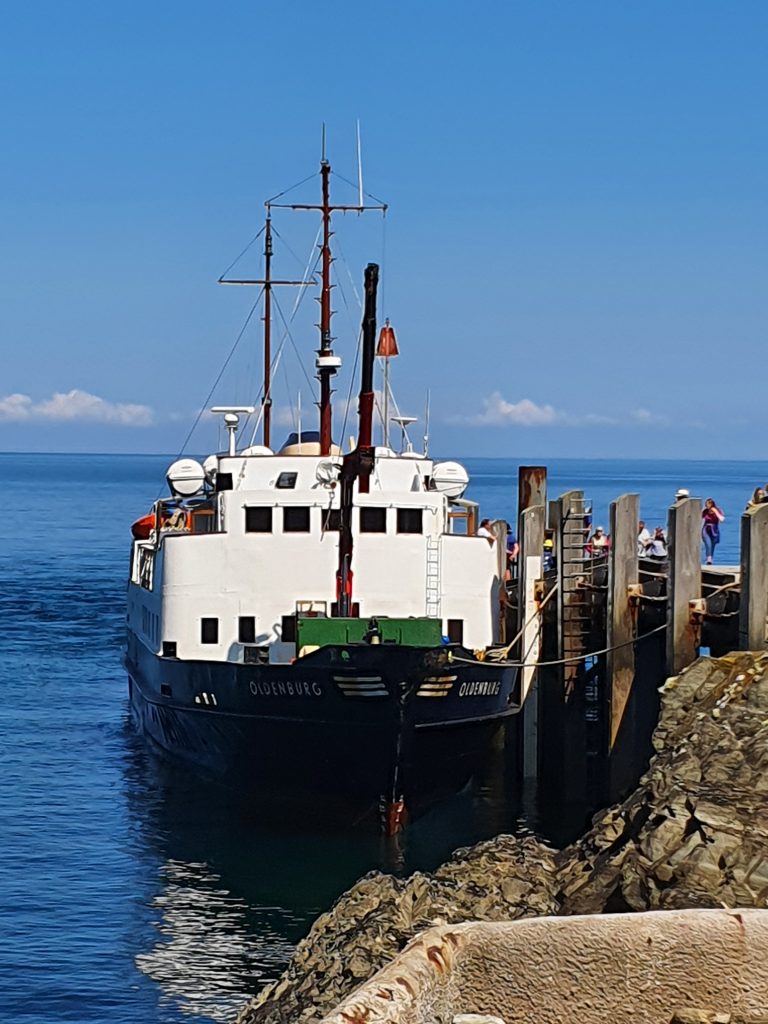
The client is a 50‑person organisation operating from two offices located in different parts of the country. Their work involves running vessels around the coast to transport surveyors and maintenance engineers offshore, either to assess seabed conditions for future wind farms or to maintain existing infrastructure.
This is a high‑risk, heavily regulated environment where clarity, coordination, and operational precision are essential.
Approach and Solution
Having read our Pains and Mistakes document, one of the directors remarked: “This is brilliant… it could have been written about us.” That recognition kick‑started the engagement. Statius was initially commissioned to conduct a full diagnostic to understand:
- The company’s goals and strategic ambitions
- How work was actually being carried out
- The current processes in use
- And the unwieldy, sprawling documentation that attempted to codify those processes
One of the key diagnostic outputs was a draft core activity map and system diagram, a clear visual representation of “how the work works” for both of the company’s primary income streams. This became the backbone of all future system development.
A new audit schedule based directly on the core activity map and systems diagram was also developed replacing the unmanageable legacy schedule with something simple, logical, and entirely aligned to the real flow of work.
During the diagnostic also revealed a long list of quality, health & safety, and environmental objectives, most of which were vague, irrelevant, or impossible to measure. So, we asked a simple question: “If you could wave a magic wand and change just one thing to move the business forward, what would it be?” The answer was instant:
- “We’d have a bigger boat.”
This clarified the real strategic drivers far more effectively than any of the existing objectives.
Post diagnostic in order to deliver both short‑term stability and long‑term transformation a dual‑track approach was adopted:
1. Ongoing compliance support:
- To maintain certification
- Ensure continued adherence to ISO 9001, 14001, and 45001
- And prevent further resource drain or audit risk
2. A phased and radical redevelopment of the system so that it:
- Was driven by the company’s strategic objectives
- Used management system objectives that clearly supported those goals
- Aligned processes and KPIs across both offices and both income streams
- Became genuinely fit for the future; scalable, efficient, and culturally embedded
This approach enabled us to protect the business while building a significantly stronger and simpler system beneath it.
Outcome and Impact
The dual approach delivered a rapid stabilisation of the existing management system while laying the foundations for a radical, long-term transformation. Within months, the organisation experienced a marked shift in engagement, clarity, and operational control
The business emerged with a management system that was simpler, smarter, and genuinely aligned to its operational risks, strategic ambitions, and future growth, a complete shift from a burdensome compliance exercise to a practical tool for running the company.